Introduction
In today's rapidly evolving food market, companies are seeking sustainable options to meet the growing need for top quality food products while minimizing their ecological effect. Contract food Outsourcing food production manufacturing has become a practical option for firms aiming to outsource their production needs while preserving control over item development and also quality control. This article discovers the idea of contract food manufacturing in Australia and its role in promoting sustainability within the food industry.
The Surge of Contract Food Manufacturing in Australia
Understanding Contract Food Manufacturing
Contract food manufacturing is a calculated partnership in between a brand name owner as well as an agreement maker, where the last creates items in support of the previous. This arrangement enables brand owners to concentrate on advertising and marketing, product development, as well as distribution while leveraging the expertise and sources of specialized contract manufacturers.
Benefits of Agreement Food Manufacturing
Cost Performance: Contract food manufacturing gets rid of the requirement for significant capital expense in facilities, equipment, and manpower. This cost-saving measure permits brand names to assign their sources towards other essential areas of organization growth. Scalability: As need for a specific item varies, agreement suppliers can rapidly readjust production degrees to accommodate market requirements. This adaptability makes sure that brands can fulfill consumer need without excess stock or wastage. Expertise as well as Innovation: Agreement makers usually possess comprehensive expertise as well as experience in specific food groups or processes. By teaming up with these experts, brands can use their creative thinking and also harness cutting-edge options for product development and improvement. Quality Guarantee: With rigid quality assurance steps in position, agreement suppliers abide by industry standards and governing requirements. This dedication to quality makes sure that brand names deliver secure and also top notch items to customers consistently. Supply Chain Management: Contract food manufacturing streamlines the supply chain by settling manufacturing, product packaging, labeling, and also circulation under one roof covering. This incorporated strategy minimizes logistical intricacies as well as enhances overall functional efficiency.The Ecological Effect of Contract Food Manufacturing
Reducing Carbon Footprint
Contract food production provides possibilities to reduce the ecological influence of food production with various methods:
Efficient Source Application: Agreement makers enhance source consumption by carrying out energy-saving practices, minimizing water use, and lowering waste generation. These sustainable procedures contribute to a reduced carbon impact across the entire manufacturing process. Locally Sourced Active ingredients: By sourcing active ingredients from regional vendors, agreement makers reduce transport ranges and connected emissions. This practice sustains local economic situations while advertising sustainability within the supply chain. Eco-Friendly Product packaging: Contract food manufacturers stress making use of environment-friendly packaging materials, such as biodegradable or recyclable options. This dedication to sustainable product packaging decreases waste and also promotes accountable consumption.Embracing Renewable Energy
Contract food producing centers in Australia are progressively embracing renewable energy sources to power their operations. Photovoltaic panel, wind generators, and other clean energy remedies help in reducing reliance on nonrenewable fuel sources and also contribute to a greener future for the industry.
Addressing Sustainability Difficulties in Contract Food Manufacturing
Waste Management as well as Reusing Initiatives
Contract food suppliers focus on waste monitoring with comprehensive recycling programs as well as waste reduction approaches. By carrying out efficient waste partition systems, firms can draw away considerable amounts of waste from land fills and also promote a circular economy.
Water Conservation Measures
Water scarcity is an international worry, and also contract food producers play their component in addressing this obstacle. Companies invest in water-saving innovations, such as advanced filtering systems as well as water reuse initiatives, to reduce their freshwater consumption.
Collaboration with Lasting Suppliers
Contract food suppliers proactively look for collaborations with providers devoted to lasting techniques. By prioritizing eco conscious providers, these companies guarantee that their whole supply chain straightens with sustainability goals.
FAQs
What is contract food manufacturing? Contract food manufacturing refers to the outsourcing of food production to specialized manufacturers who generate goods in behalf of brand name owners.
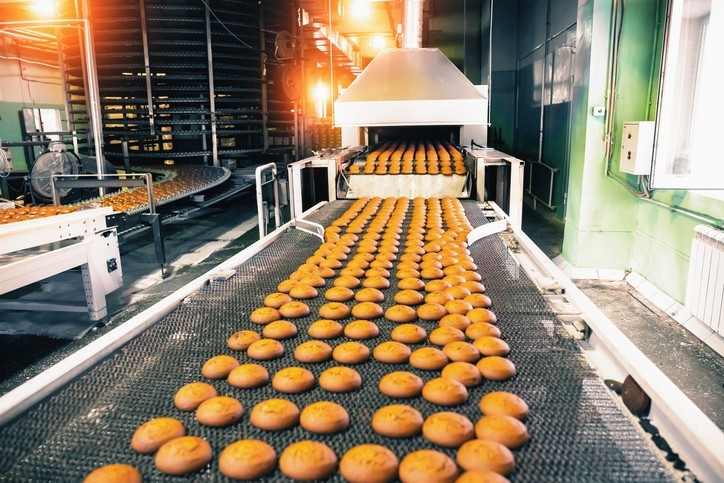
How can contract food manufacturing benefit companies? Contract food manufacturing uses expense efficiency, scalability, expertise, as well as quality control to brand names seeking to concentrate on advertising and marketing as well as distribution.
How does contract food manufacturing promote sustainability? By maximizing resource utilization, embracing renewable energy, and executing waste monitoring as well as reusing efforts, contract food manufacturing decreases its ecological impact.
.jpg?width=1311&height=875&name=Untitled%20design%20(32).jpg)
What are some lasting product packaging alternatives in contract food manufacturing? Environmentally friendly packaging materials such as eco-friendly or recyclable options are frequently utilized in contract food manufacturing to minimize waste.
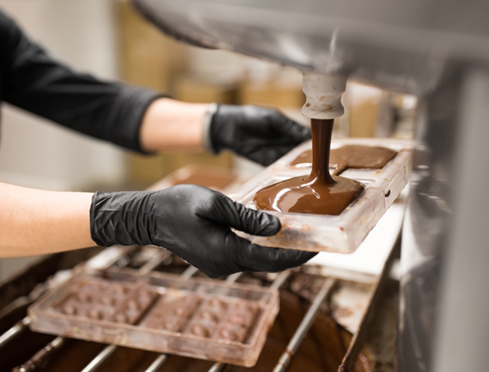
How do contract food manufacturers save water? Contract food makers purchase water-saving modern technologies and execute water reuse efforts to reduce their freshwater consumption.
What role does partnership with sustainable distributors play in contract food manufacturing? By partnering with ecologically mindful distributors, contract food makers guarantee that their entire supply chain straightens with sustainability goals.
Conclusion
Contract food production offers a lasting solution for businesses looking for to satisfy the growing demand for quality food while minimizing their environmental influence. By leveraging the competence of specific suppliers and embracing environmentally friendly techniques, brands can add to a greener future for the Australian food industry. Accepting sustainability not just profits the environment yet additionally improves brand credibility as well as consumer rely on a progressively aware market.